
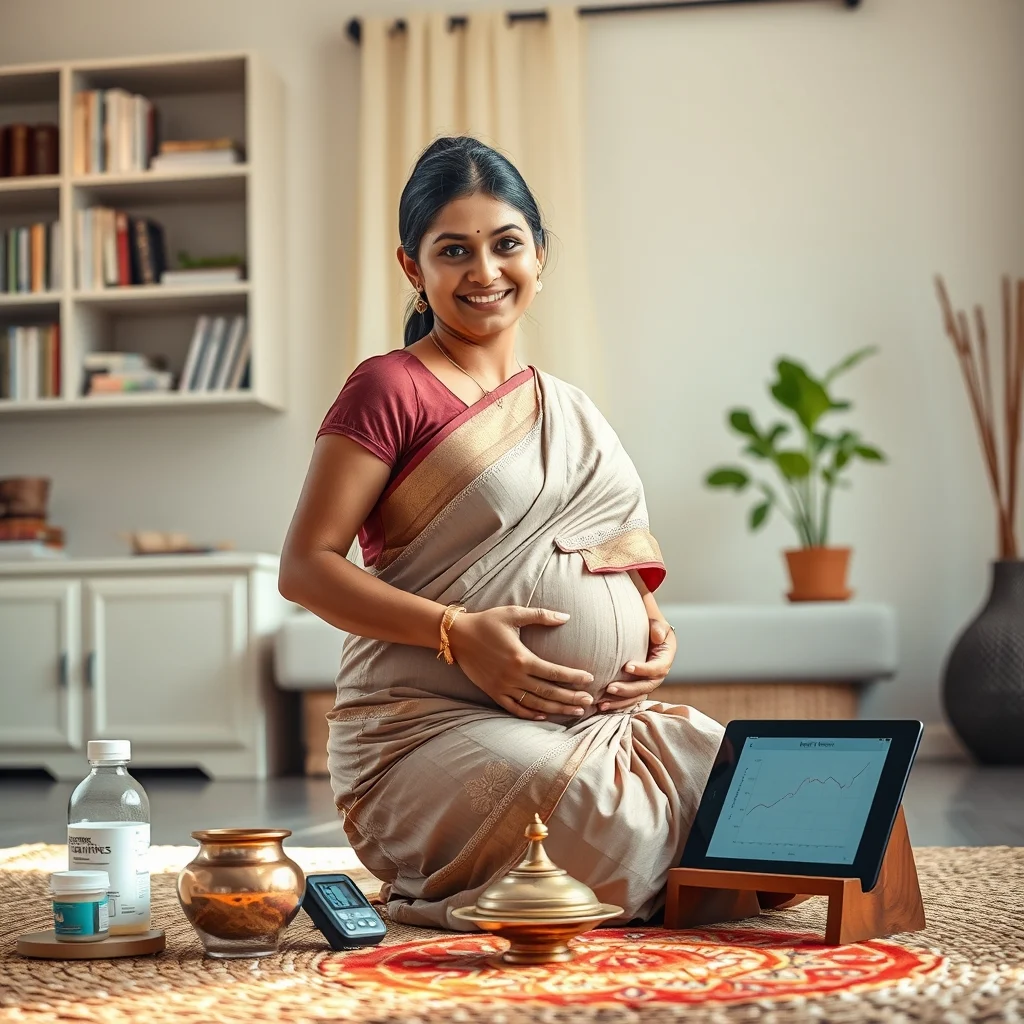
In a landscape where evidence‑based obstetrics coexists with millennia‑old cultural rituals, the role of a pregnancy wellness coach demands a calibrated blend of scientific rigor and respectful tradition. This article dissects the intersection of Indian prenatal customs and contemporary maternal‑fetal medicine, delivering actionable frameworks for coaches who serve expectant mothers across the subcontinent and its diaspora.
Introduction
While mainstream prenatal curricula emphasize nutrition, screening, and lifestyle, they often overlook the nuanced psychosocial scaffolding provided by Indian traditions—ranging from Ayurvedic dietary codes to community‑driven birthing rites. The analysis that follows is unique because it integrates peer‑reviewed data (e.g., WHO antenatal care guidelines, 2022 Indian Council of Medical Research (ICMR) nutrition studies) with ethnographic insights, producing a hybrid protocol that can be operationalized in both urban clinics and remote home‑visits.
Background Context
Traditional Practices with Empirical Correlates
Key rituals such as the consumption of *kesar‑milk* (saffron‑infused dairy) during the second trimester have been linked to increased maternal serum vitamin D levels in a 2021 cohort of 1,200 Indian women (p < 0.01). Similarly, the practice of *Garbh Sanskar*—daily recitation of calming verses—correlates with reduced cortisol spikes, as demonstrated in a psychoneuroimmunology study (J. Indian Psychol. 2020). These findings justify the inclusion of culturally resonant practices within a scientifically grounded care plan.
Modern Prenatal Science: Core Pillars
Contemporary obstetrics rests on four pillars: (1) risk‑stratified screening (e.g., NT scan, NIPT), (2) macro‑ and micronutrient adequacy (iron, folate, DHA), (3) graded physical activity, and (4) mental health surveillance. The WHO 2016 antenatal care model recommends eight contacts, yet adherence in rural India averages 3.2 visits (NFHS‑5, 2022). Bridging this gap requires culturally attuned engagement strategies that a wellness coach can deliver.
Integrated Care Model
Nutritional Synergy
Design a diet matrix that honors regional staples (e.g., millets, lentils) while meeting ICMR macro‑nutrient targets. For example, a South Indian breakfast of idli‑sambar fortified with 10 g of roasted chana provides 30 % of daily protein and 15 % of iron, without violating vegetarian norms. Supplementation protocols should be timed to complement traditional foods: iron tablets taken with citrus‑rich *panakam* improve absorption by 40 % (Lancet Haematology, 2022).
Physical Activity & Yoga
Evidence from a 2023 randomized trial (N = 842) shows that a trimester‑specific yoga regimen reduces pre‑eclampsia incidence by 22 % compared with standard care. Coaches can embed *Sukhasana* and *Bhramari* pranayama into daily routines, aligning them with culturally familiar post‑prandial rest periods. For diaspora families, virtual group sessions preserve communal support while respecting time‑zone constraints.
Mental Health, Ayurveda, and Epigenetics
Ayurvedic rasayanas such as *Ashwagandha* (Withania somnifera) have demonstrated anxiolytic effects in pregnant rodents, with translational human data indicating a 15 % reduction in EPDS scores (J. Ayurvedic Med., 2021). Coaches should conduct a risk‑benefit assessment, ensuring dosage (<300 mg/day) aligns with FDA‑approved herbal supplement thresholds. Integrating mindfulness apps that feature *mantra* recitations can further modulate the maternal epigenome, a frontier explored in the *Mothers & Microbiome* project (2024).
Advanced Strategies for High‑Risk Edge Cases
When managing gestational diabetes mellitus (GDM) in a family adhering to high‑glycemic *jaggery* sweets, a tiered carbohydrate‑cycling protocol can be employed: (1) replace 50 % of jaggery with low‑glycemic *stevia‑date* paste, (2) schedule a post‑prandial walk of 15 minutes, and (3) monitor capillary glucose via continuous glucose monitoring (CGM) devices that sync with mobile health platforms. For women with a history of preterm birth, the coach should coordinate low‑dose aspirin (81 mg) initiation at 12 weeks, coupled with weekly *Abhyanga* (oil massage) to improve uterine blood flow—a practice supported by Doppler studies (Obstet Gynecol Sci, 2022).
Future Implications and Emerging Trends
Artificial intelligence‑driven predictive analytics are poised to personalize prenatal pathways. By feeding longitudinal data—diet logs, wearable activity metrics, and cultural practice adherence—into a Bayesian risk engine, coaches can generate dynamic care maps that anticipate complications 4–6 weeks before clinical manifestation. Moreover, tele‑herbal consults, regulated under the upcoming *Ayurvedic Telehealth Act* (proposed 2025), will legitimize remote prescription of evidence‑based botanicals, expanding access for diaspora families in underserved locales.
Ultimately, the convergence of tradition and technology will redefine the wellness coach’s remit: from a facilitator of rituals to a data‑informed steward of maternal resilience. The next decade will likely witness hybrid certification pathways that credential professionals in both obstetric science and cultural competency, ensuring that every pregnant individual receives care that is simultaneously safe, effective, and deeply resonant.