
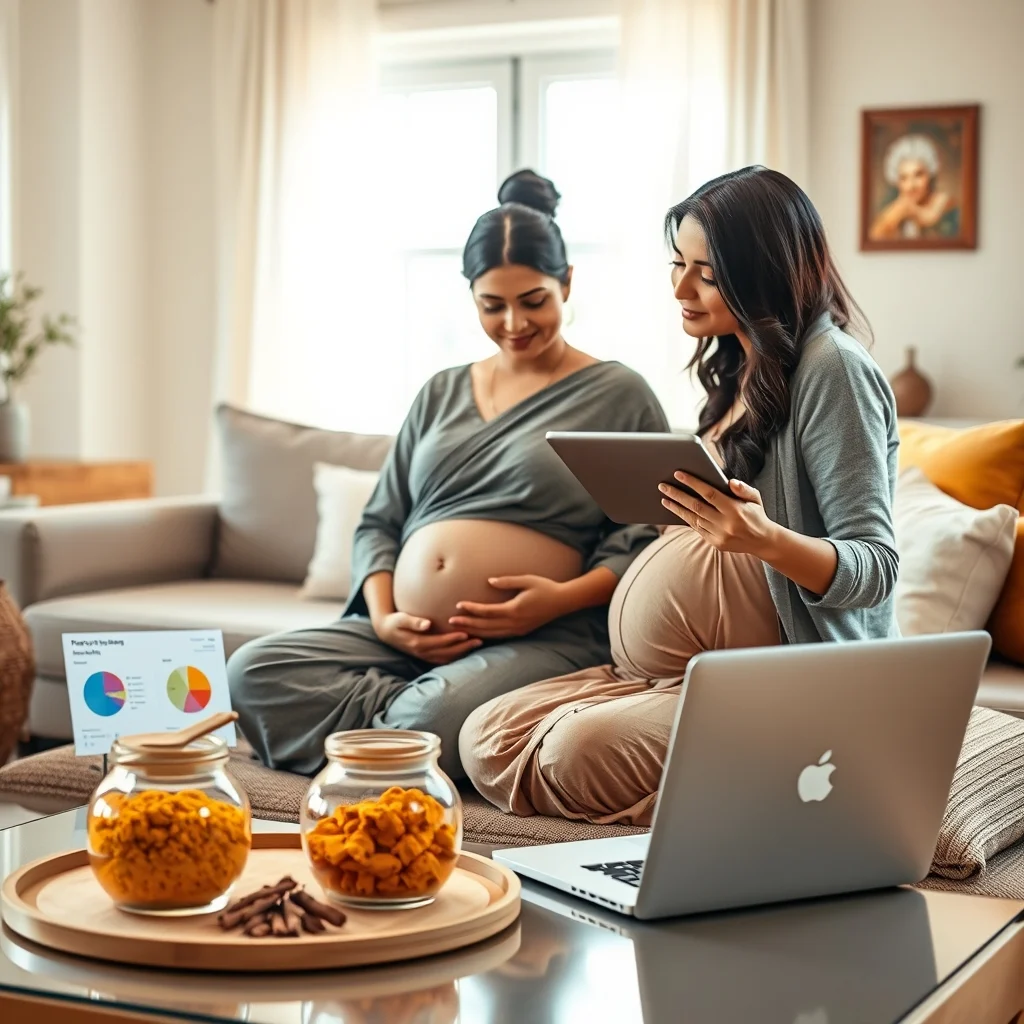
In a country where ancient rituals coexist with cutting‑edge medical research, the expectations of expectant mothers have become increasingly nuanced. They seek not only the comfort of familiar customs but also the assurance that every recommendation is grounded in rigorous science. A supportive, knowledgeable pregnancy wellness coach who also serves as a content creator can fulfill this dual demand, provided they navigate the tension between tradition and modernity with analytical precision.
The Evolving Landscape of Prenatal Care in India
India’s public health system has expanded its reach dramatically over the past two decades, yet regional disparities persist. Urban centers enjoy ready access to obstetricians, high‑resolution ultrasounds, and prenatal screening programs, while rural areas often rely on community health workers and traditional midwives. This bifurcation creates a fertile ground for hybrid coaching models that blend telehealth platforms with culturally resonant guidance. The coach must therefore assess the local health infrastructure, identify gaps, and tailor interventions that complement, rather than duplicate, existing services.
Digital Penetration as a Catalyst
Smartphone adoption among Indian women of reproductive age now exceeds 70 %. Mobile apps, WhatsApp groups, and short video reels have become primary channels for disseminating health information. A coach who leverages these platforms can deliver timely reminders—such as iron‑folate supplementation schedules—while embedding them within culturally familiar narratives, like the auspicious timing of a mother’s first moon‑sighting after conception.
Scientific Foundations of Modern Pregnancy Wellness
Evidence‑based prenatal care rests on three pillars: nutrition, physical activity, and psychosocial well‑being. Recent meta‑analyses confirm that a diet rich in folate, omega‑3 fatty acids, and micronutrients reduces the risk of neural tube defects and preterm birth. Simultaneously, moderate aerobic exercise—preferably low‑impact activities such as prenatal yoga or brisk walking—has been linked to improved maternal mood and reduced gestational diabetes incidence. The coach’s role is to translate these findings into actionable daily routines that respect the mother’s cultural food preferences and lifestyle constraints.
Critical Appraisal of Popular Myths
Many long‑standing beliefs lack empirical support. For instance, the notion that “eating for two” necessitates a 500‑calorie surplus is debunked by longitudinal cohort studies showing that modest caloric increases (approximately 300 kcal) are sufficient. A coach must confront such myths directly, using data visualizations and concise language to prevent misinformation from spreading through social media echo chambers.
Integrating Cultural Practices with Evidence‑Based Guidance
Indian prenatal traditions—such as the consumption of ghee‑laden sweets during festivals, the practice of “sindoor” application after the first trimester, and the observance of specific fasting days—carry deep symbolic meaning. Rather than dismissing them, a skilled coach evaluates each practice for safety and potential health benefits. For example, the ritual of drinking warm turmeric milk aligns with anti‑inflammatory research, provided the mother tolerates dairy. Conversely, prolonged fasting without medical supervision can jeopardize fetal growth and should be modified or replaced with nutrient‑dense alternatives.
Case Study: Harmonizing Ayurvedic Herbs with Clinical Guidelines
Ayurvedic formulations like Shatavari are frequently recommended for hormonal balance. Clinical trials reveal modest improvements in lactation outcomes, yet the herb can interact with anticoagulant medications. The coach must therefore obtain a comprehensive medication history, advise on appropriate dosing, and, when necessary, coordinate with the obstetrician to monitor coagulation parameters. This collaborative approach exemplifies the coach’s function as a bridge between traditional healers and modern clinicians.
The Coach’s Toolkit: Content Creation and Personalized Support
Effective content creation hinges on three metrics: relevance, credibility, and engagement. Short‑form videos that demonstrate safe prenatal stretches, infographics that juxtapose myth versus fact, and downloadable meal plans that incorporate regional staples (e.g., millets, lentils, and seasonal vegetables) satisfy these criteria. Personalization is achieved through intake questionnaires that capture the mother’s cultural background, dietary restrictions, and health history, enabling the coach to generate bespoke recommendations.
Feedback Loops and Continuous Improvement
Data collection—via weekly check‑ins, symptom trackers, and satisfaction surveys—feeds into a learning algorithm that refines content relevance over time. Coaches who transparently share aggregate outcomes (e.g., reduced incidence of anemia by 12 % among their cohort) build trust and demonstrate accountability. This iterative process mirrors the scientific method, reinforcing the coach’s role as a credible authority.
Measuring Impact: Metrics and Feedback Loops
Beyond anecdotal success stories, quantifiable outcomes are essential for validating the coach’s methodology. Key performance indicators include maternal weight gain within WHO‑recommended ranges, adherence rates to supplementation regimens, and psychosocial scores measured by validated tools such as the Edinburgh Postnatal Depression Scale. By publishing these metrics in quarterly reports, the coach not only showcases efficacy but also contributes to the broader evidence base for culturally integrated prenatal care.
Ultimately, the value of a pregnancy wellness coach who is simultaneously a content creator lies in the ability to synthesize scientific rigor with cultural empathy. When expectant mothers and their families receive guidance that honors their heritage while safeguarding health, the result is a more resilient pregnancy journey—one that respects the past, embraces the present, and prepares for a healthier future.