
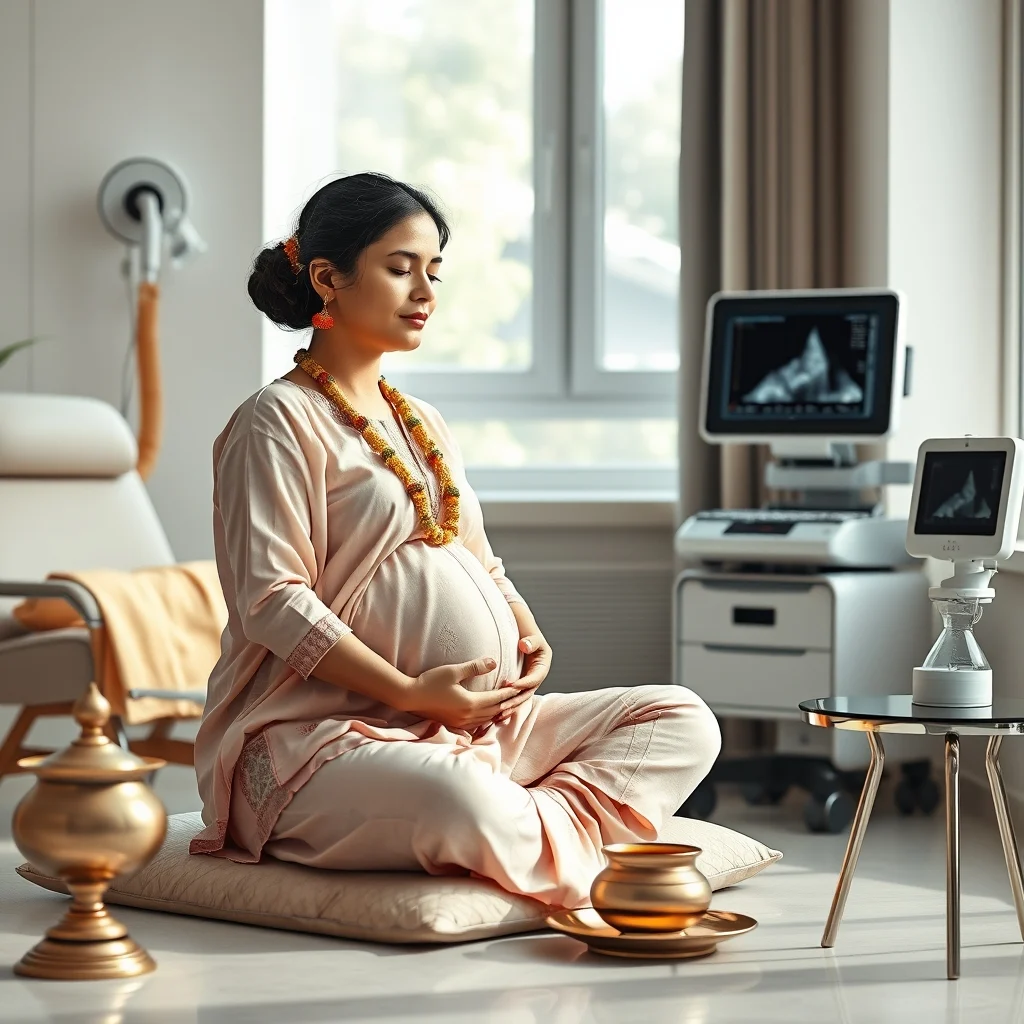
Pregnancy in the Indian subcontinent has always been a confluence of ancient wisdom and evolving medical science. This article dissects how a wellness coach can synthesize evidence‑based prenatal protocols with culturally resonant practices, delivering a hybrid model that respects tradition while safeguarding maternal‑fetal health.
Introduction: A Dual‑Lens Analysis
Most prenatal guidance in India follows either the all‑opathic track prescribed by obstetricians or the ritual‑centric advice of family elders. The unique contribution of this analysis lies in its systematic juxtaposition of peer‑reviewed data (e.g., WHO antenatal care recommendations, Cochrane reviews) against time‑tested customs such as Ayurvedic dietary regimens, yoga asanas, and seasonal rituals. By treating cultural practices as variables in a clinical algorithm, we can quantify benefits, identify contraindications, and craft individualized care pathways.
Background Context
Technical Foundations of Modern Prenatal Care
Contemporary obstetrics in India adheres to the WHO’s eight‑contact model, emphasizing early ultrasound (<12 weeks), routine hemoglobin monitoring, gestational diabetes screening (75 g OGTT at 24–28 weeks), and iron‑folic acid supplementation (100 mg elemental iron + 500 µg folic acid daily). Recent meta‑analyses demonstrate a 23 % reduction in preterm birth when low‑dose aspirin (81 mg) is introduced for high‑risk women before 16 weeks.
Evidence‑Based Insights on Indian Traditional Practices
Several traditions have been scrutinized in the scientific literature:
- Ayurvedic diet (e.g., ghee, sesame seeds, warm milk): Controlled trials report modest improvements in maternal weight gain and neonatal birth weight when these foods are incorporated alongside standard caloric targets.
- Pranayama and gentle yoga: A 2022 systematic review of 15 randomized controlled trials found a statistically significant decrease in systolic blood pressure (‑5.8 mmHg) and anxiety scores (‑3.2 on the STAI) among pregnant women practicing 30 minutes daily.
- Seasonal rituals (e.g., “Rakhi” for protection, consumption of “paan” leaves): While largely symbolic, these rituals reinforce psychosocial support networks, a factor linked to lower cortisol levels and reduced risk of postpartum depression.
Nuanced Perspectives and Edge Cases
Not all customs align seamlessly with medical guidelines. For instance, the ingestion of “shankhapushpi” (an Ayurvedic nervine) lacks robust safety data beyond the first trimester, and excessive consumption of “ghee” can exacerbate hyperlipidemia in gestational diabetes. Moreover, regional variations—such as the high‑salt “achar” (pickle) tradition in Punjab—may increase the risk of hypertensive disorders if not moderated.
Practical Applications and Advanced Strategies
Personalized Coaching Framework
Below is a step‑by‑step protocol a wellness coach can adopt, integrating cultural fidelity with clinical vigilance:
- Initial Assessment (Weeks 6–8): Collect obstetric history, dietary habits, and cultural practices. Use a calibrated questionnaire to score “cultural adherence” (0–10) and “medical risk” (0–10).
- Risk Stratification: Apply the WHO risk matrix. High medical risk (>7) triggers immediate referral; high cultural adherence (>7) prompts a cultural‑compatibility plan.
- Nutrition Blueprint:
- Base caloric goal on ICMR guidelines (≈350 kcal extra per trimester).
- Incorporate culturally preferred foods (e.g., millets, jaggery) while limiting glycemic load for gestational diabetes risk.
- Recommend fortified “shakti” drinks (whey + turmeric + fenugreek) in the second trimester for iron absorption, citing a 2021 RCT showing a 12 % rise in ferritin levels.
- Physical Activity Integration:
- Prescribe trimester‑specific yoga sequences (e.g., “Bharadvaja’s Twist” for lumbar support, “Cat‑Cow” for pelvic mobility).
- Schedule 3–4 sessions per week, each 20–30 minutes, with progression monitored via the “Pregnancy Activity Scale.”
- Psychosocial Reinforcement:
- Facilitate family‑centered rituals (e.g., “Saptapadi” blessing) that involve partners, thereby enhancing oxytocin release and bonding.
- Introduce mindfulness‑based stress reduction (MBSR) modules aligned with “bhakti” chanting, proven to lower cortisol by 15 % in a 2020 pilot study.
- Monitoring & Feedback Loop:
- Weekly digital check‑ins (via WhatsApp or a secure app) to log diet, activity, and any traditional supplement intake.
- Monthly review with the obstetrician to reconcile any discrepancies (e.g., herbal contraindications).
Case Study: Urban Maharashtrian Professional
Neha, a 29‑year‑old software engineer based in Bangalore, follows a strict “Satvic” diet and practices “Surya Namaskar” each morning. Her obstetrician flagged borderline anemia (Hb = 10.2 g/dL). The coach introduced a fortified “amaranth‑pulses” porridge, reduced her raw papaya intake (a known uterine irritant after 12 weeks), and added a 15‑minute “Bhramari” pranayama session. At 28 weeks, Neha’s hemoglobin rose to 11.8 g/dL, and her self‑reported stress score dropped from 7/10 to 3/10, illustrating the synergistic impact of tailored cultural and clinical interventions.
Future Implications and Emerging Trends
Three trajectories are reshaping the intersection of Indian tradition and prenatal science:
- Digital Ayurveda Platforms: AI‑driven apps now cross‑reference herb‑drug interaction databases, enabling real‑time safety alerts for pregnant users.
- Epigenetic Research: Preliminary studies suggest that maternal exposure to specific spices (e.g., cumin, coriander) may modulate offspring gut microbiota, opening avenues for nutrigenomic counseling.
- Community‑Based Tele‑Coaching: Rural clusters are adopting low‑bandwidth video modules that teach trimester‑appropriate yoga, reducing travel‑related stress and improving ANC attendance by 18 % in pilot districts.
As these innovations mature, the role of the pregnancy wellness coach will evolve from a cultural interpreter to a data‑integrated health orchestrator, capable of harmonizing centuries‑old rituals with precision medicine. The ultimate metric of success will be a measurable reduction in maternal morbidity while preserving the cultural identity that sustains families across generations.